
Love your bike workshop
Give your bike some love at our free Valentine's pop-up workshop! Timed to coincide with the Aotearoa Bike Challenge, which runs all of February. Ride anywhere, anytime to take part […]
Free
Give your bike some love at our free Valentine's pop-up workshop! Timed to coincide with the Aotearoa Bike Challenge, which runs all of February. Ride anywhere, anytime to take part […]
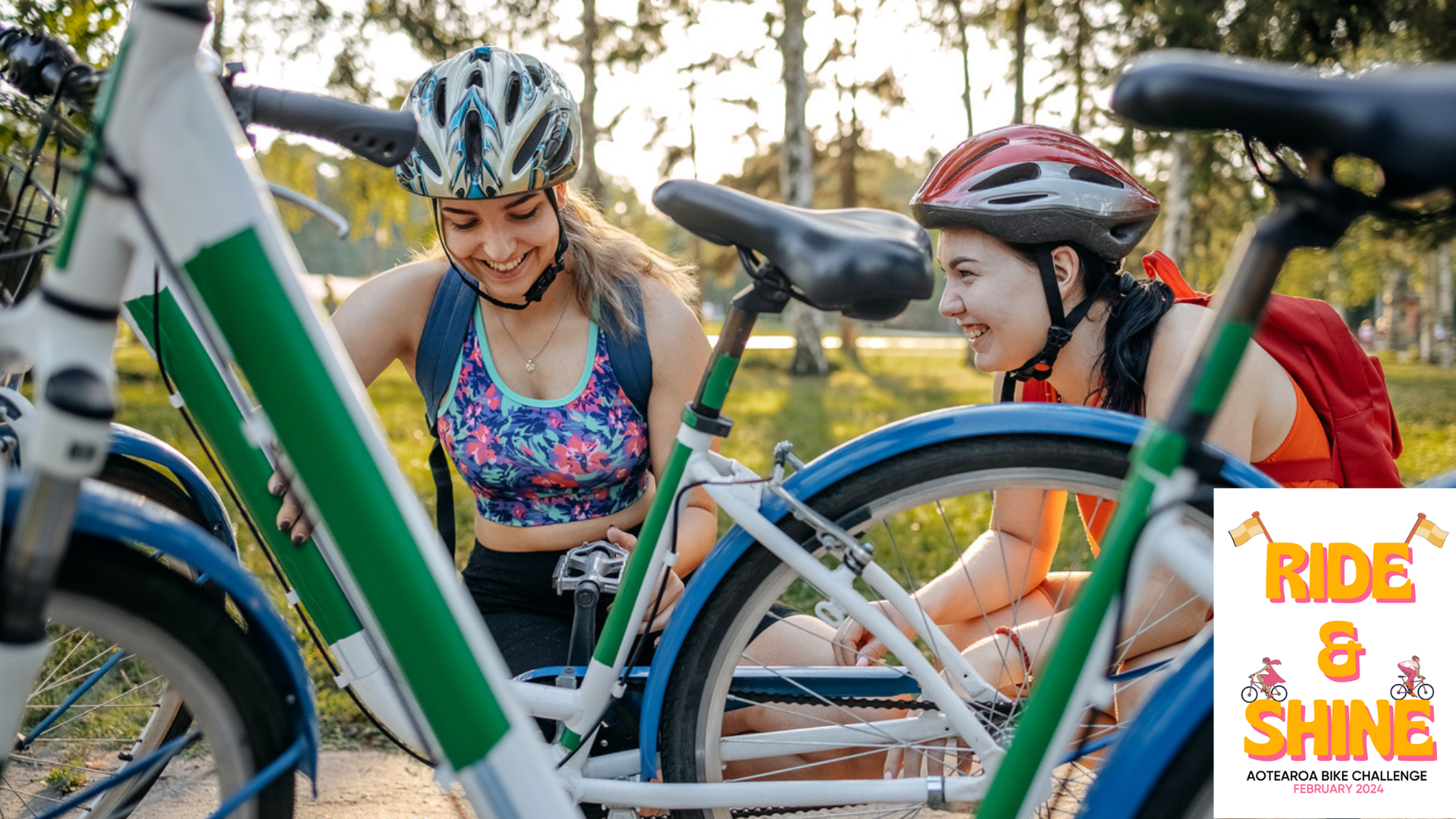
Drop in at Pohe Island to get your bike checked, learn new skills and chat anything bikes! This drop in series is happening in tandem with the Aotearoa Bike Challenge, […]
Drop in at Pohe Island to get your bike checked, learn new skills and chat anything bikes! This drop in series is happening in tandem with the Aotearoa Bike Challenge, […]
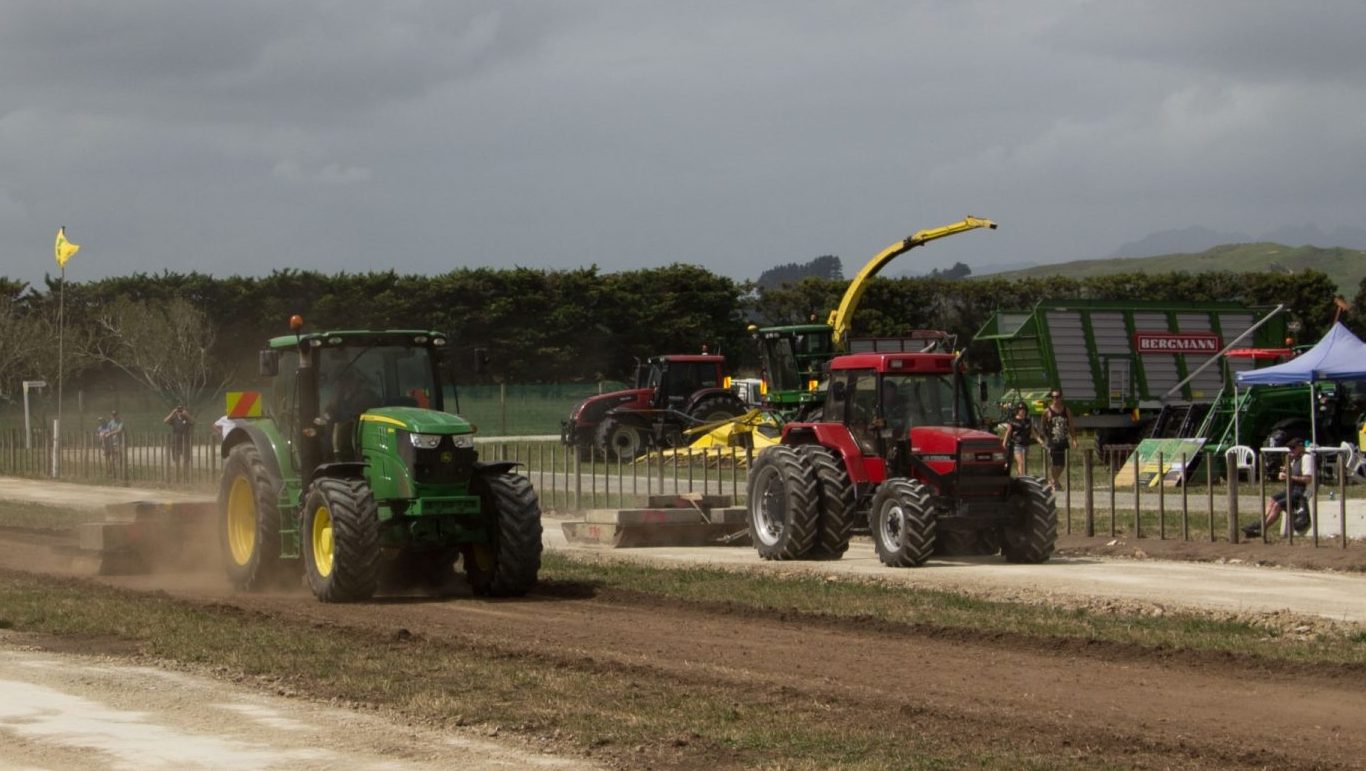
Join us at Northland Field Days in Dargaville! Field Days is the largest agri-event in Northland where there’s something for everyone, rural or urban. As well as hundreds of exhibitors […]
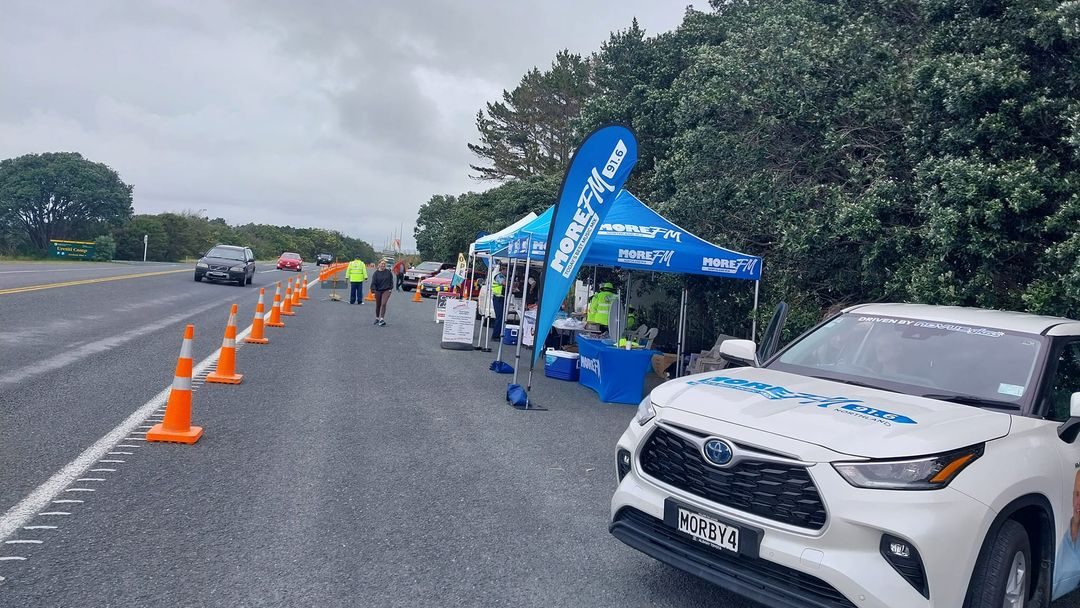
Our fatigue stops offer Northbound drivers and passengers the chance to take a break while enjoying free coffee and refreshments. Take a break and chat with our friendly hardworking volunteers […]
We've teamed up with Northland Rugby Union to help promote safer choices around driving and alcohol - find us at every home game this season!
We've teamed up with Northland Rugby Union to help promote safer choices around driving and alcohol - find us at every home game this season!
Join us in the family zone and chat about ways to get home safely.
"'Baseball is like driving, it's the one who gets home safely that counts'"
"On average, one person dies every day on NZ Roads"
"Make It Home - Stay Off The Phone!"
"Drinking & Driving Will Cost You More Than Your Licence"
"Drivers talking on the phone can miss up to 50 percent of what’s in their driving environments."